


Blog
A Tale of Two Tails: Salamander Monitoring Leads to Fun Discovery
Posted on May 7, 2026
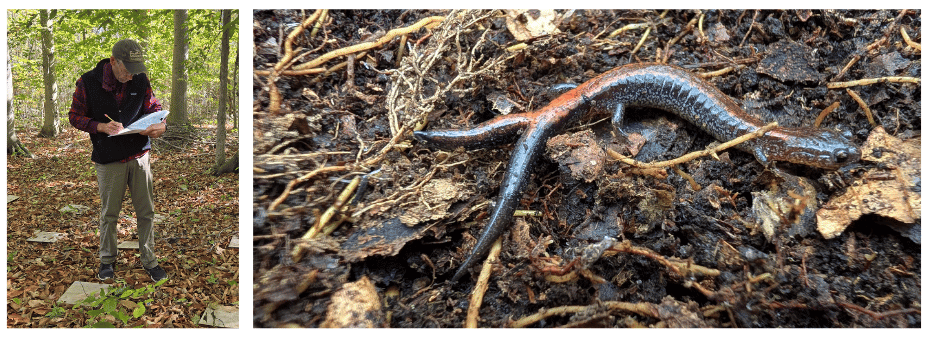
Patience and perseverance recently paid off in a big way for COL Preserve Steward Doug Morris.
Doug, the steward for Jens Jensen Preserve, helped launch COL’s salamander monitoring efforts several years ago at Jens Jensen Preserve. Despite many seasons of careful searching and monitoring, the study plot there produced an unexpected result: no salamanders.
Rather than giving up, the salamander monitoring plot was eventually relocated to Robinson Woods Preserve and that persistence led to an exciting discovery last week: a rare two-tailed salamander.
While two-tailed salamanders are uncommon, the condition is typically caused by an injury during development or regeneration. Redback salamanders sometimes drop their tails to escape danger (a predator); the wound can sometimes trigger a duplication defect causing two tails to grow back instead of one. For Doug, the discovery was a rewarding moment that was well-deserved after years of dedication to monitoring efforts.
Salamander and Vernal Pool Monitoring Efforts
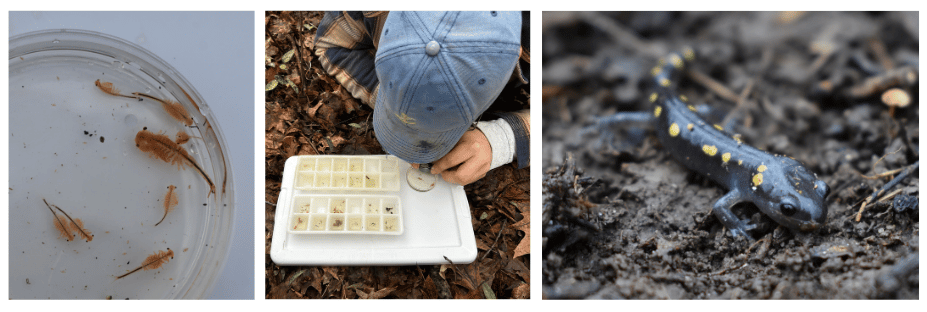
Today, Chikaming Open Lands maintains salamander study plots at Myron Perlman Nature Preserve, Robinson Woods Preserve, and Sugarwood Forest Preserve as part of our ongoing stewardship and ecological monitoring work, with plans to add additional plots this year. These efforts are made possible thanks to the effort of dedicated volunteers like Doug (read his full story in our Winter print newsletter).
This year, COL also launched vernal pool monitoring at Myron Perlman Nature Preserve. Stewardship Field Supervisor Mandy recently attended specialized training and is now leading this important effort. Vernal pools - seasonal wetlands that fill with water in spring and often dry later in the year - provide critical breeding habitat for amphibians like salamanders and wood frogs, as well as fascinating invertebrates such as fairy shrimp.
Young Explorers
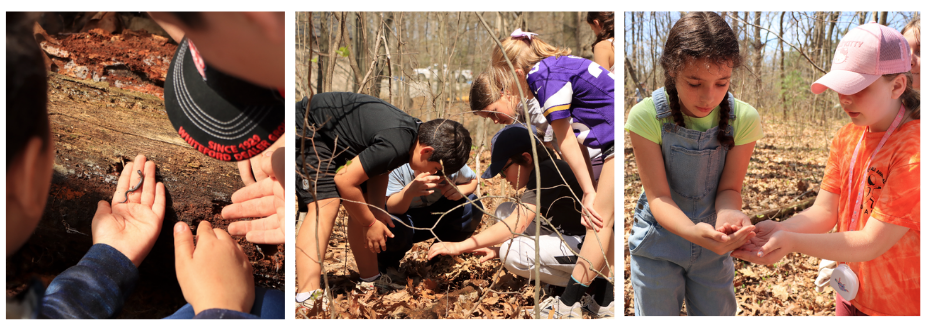
Salamanders have also become a favorite discovery for many students participating in our Mighty Acorns education program this spring. During their time on the preserve, students have been enthusiastically searching for and finding salamanders while learning about the importance of healthy habitats.
From dedicated volunteer stewards to curious young explorers, these discoveries remind us that careful stewardship, long-term monitoring, and hands-on environmental education all play an important role in protecting the natural habitats and landscapes for all beings to thrive.
Invasive Species Awareness
Posted on March 2, 2026
National Invasive Species Awareness Week occurs each February, raising awareness about invasive species, the threats they pose, and the actions that can be taken to prevent their spread. While the official "week" has passed, the fight against invasive species continues year-round. That work matters because invasive species cause serious ecological and economic harm: disrupting ecosystems, reducing biodiversity, and threatening native species with extinction. By outcompeting native plants and animals, preying on them, or introducing disease, invasives alter habitats and weaken entire ecosystems. Their impacts extend beyond the natural world as well, causing costly damage to agriculture, forestry, fisheries, infrastructure, and waterways.
As part of National Invasive Species Awareness Week, we asked the COL stewardship crew what invasives they battle most and what progress on COL Preserves they’re most proud of. Here’s what they had to say:
𝗢𝗻 𝘁𝗵𝗲 𝗺𝗼𝘀𝘁 𝗰𝗼𝗺𝗺𝗼𝗻 𝗶𝗻𝘃𝗮𝘀𝗶𝘃𝗲𝘀 𝘄𝗲 𝗯𝗮𝘁𝘁𝗹𝗲:
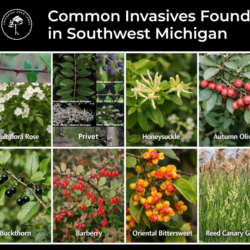
- Multiflora rose, privet, honeysuckle, autumn olive, buckthorn, barberry, oriental bittersweet, phragmites, reed canary grass. There are more, but those are the most common.
𝗢𝗻 𝘁𝗵𝗲 𝗺𝗼𝘀𝘁-𝗱𝗲𝘀𝗽𝗶𝘀𝗲𝗱 𝗶𝗻𝘃𝗮𝘀𝗶𝘃𝗲𝘀 (𝗮𝗻𝗱 𝘄𝗵𝘆):
- Alex: “Most despised is multiflora rose because it is painful and thinks it’s funny to take my hat… I’m really starting to dislike the autumn olive at Chris Thompson because it will NOT die.”
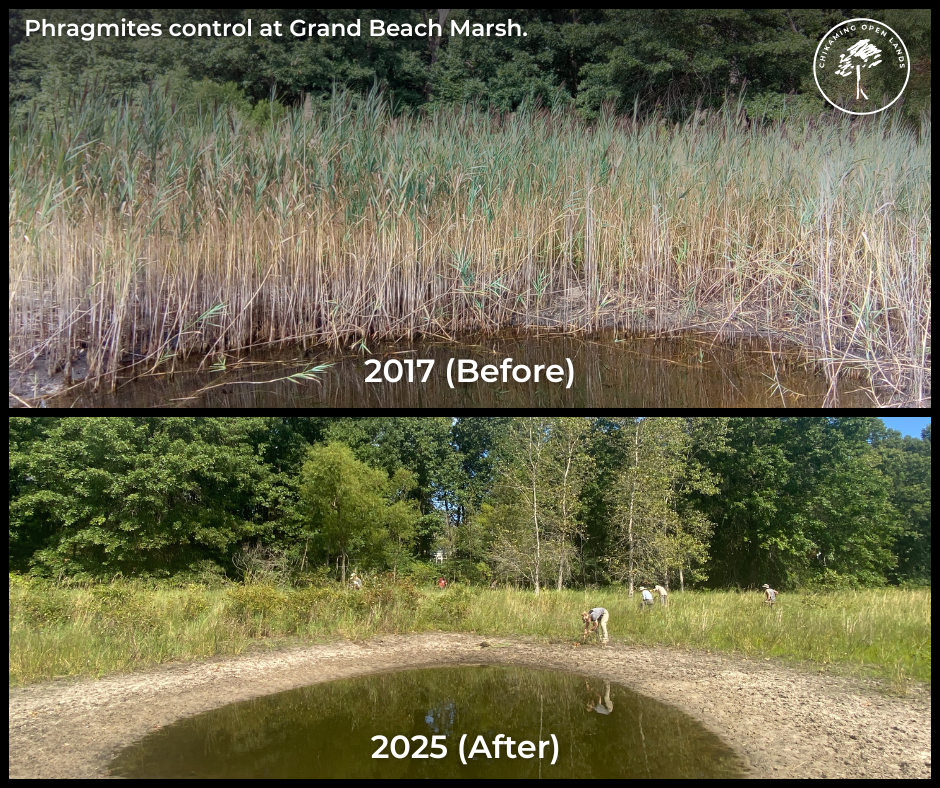
- Mandy: “Most despised is multiflora rose because it hurts and snags/rips clothes. Second would be phragmites… it can grow very tall (15+ ft) and dense, making it hard to walk through and treat.”
- Josh: "My second most-despised is not one I deal with at work, but has caused great cultural, economic, and environmental harm state wide. Zebra/Quagga mussels filter mass amount of Great Lakes water; reducing the food available to the early stages of many of our fishes like whitefish, lakers and walleye."
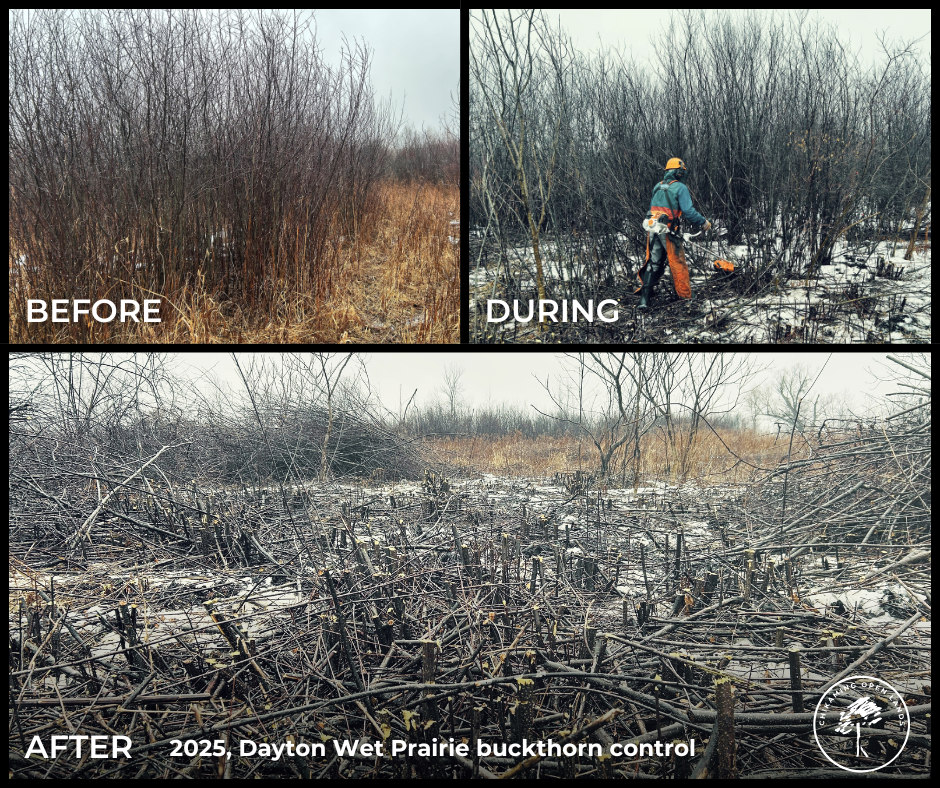
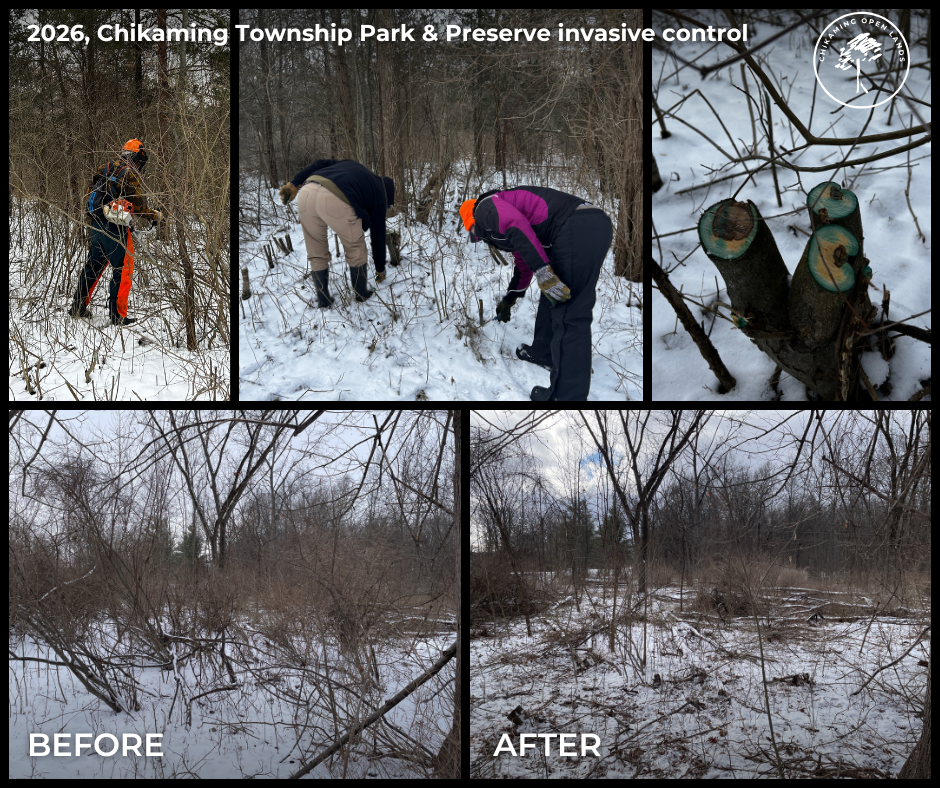
𝗢𝗻 𝘄𝗵𝗲𝗿𝗲 𝘁𝗵𝗲𝘆’𝗿𝗲 𝘀𝗲𝗲𝗶𝗻𝗴 𝗿𝗲𝗮𝗹 𝗽𝗿𝗼𝗴𝗿𝗲𝘀𝘀 (SEE PHOTOS BELOW):
- Dan: “The crew has made amazing progress at a number of properties! The first ones that come to mind are Dayton Wet Prairie, Leonard Wildlife Preserve, and Chris Thompson Memorial Preserve. The progress at these sites is noticeable and has come with a lot of blood (that would be the multiflora rose!), sweat, and tears (that would be perennially broken equipment!)."
During National Invasive Species Awareness Week and every week, we’re grateful for the dedication of our field staff and many supporters and volunteers who make this work possible!
Learn more about these (and other) invasives in the Michigan Natural Features Inventory Invasive Field Guide.
Chikaming Open Lands Launches Accessibility Initiative to Improve Access Across Preserves
Posted on January 22, 2026
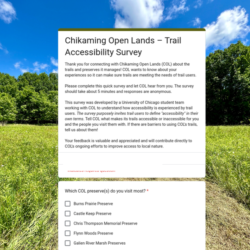
Chikaming Open Lands (COL) has launched a new accessibility initiative aimed at improving access and inclusion across its network of nature preserves. As part of this effort, COL is partnering with students from the University of Chicago to gather community feedback through a short public survey.
The survey is designed to better understand how people experience COL preserves and to identify barriers that may limit access - whether physical, cultural, informational, or otherwise. Feedback gathered will help inform improvements to existing preserves and guide planning for future properties and projects.
“We want our preserves to be welcoming and accessible to as many people as possible,” said Dan Engel, Stewardship Manager at Chikaming Open Lands. “Hearing directly from community members is essential to understanding what’s working and where we can do better.”
Survey participants are encouraged to reflect on aspects of COL preserves they found challenging during visits, as well as any barriers that have prevented them from visiting altogether.
The survey takes approximately five minutes to complete and will remain open through Friday, February 27. Community members are encouraged to share the survey widely to help COL collect diverse perspectives.
Take the survey: https://tinyurl.com/COLaccessibility
To offer additional feedback or if you would like to get more involved, please contact:
Mary Beth Pudup, University of Chicago: mbp@uchicago.edu
Dan Engel, Chikaming Open Lands Stewardship Manager: dengel@chikamingopenlands.org
CHIKAMING OPEN LANDS ACQUIRES NEW NATURE PRESERVE IN CHIKAMING TOWNSHIP
Posted on December 12, 2025
Contact: Ryan Postema, Executive Director
Chikaming Open Lands
Phone (269) 405-1006
rpostema@chikamingopenlands.org
12291 Red Arrow Highway Sawyer, MI 49125
FOR IMMEDIATE RELEASE
December 15, 2025
CHIKAMING OPEN LANDS ACQUIRES NEW NATURE PRESERVE IN CHIKAMING TOWNSHIP
Chikaming Open Lands (COL) is pleased to announce the successful completion of fundraising and the acquisition of the Founders Preserve on Three Oaks Road in Chikaming Township. The new preserve permanently protects 87 acres for wildlife habitat conservation, recreational use, and environmental education.
The protection of this property was made possible by the generosity of more than 200 donors, including vital support from foundations and the community. Together, they raised more than $1.2 million to acquire and steward this desirable property in less than a year. A key driver of the campaign’s success was a $250,000 challenge grant from The Carls Foundation, which inspired additional giving and accelerated momentum toward the finish line. COL was also able to commit grant funds previously received from The Pokagon Fund through the Partners in Conservation Program.
“Every gift, large and small, played a role in making this preserve a reality.” said Ryan Postema, Executive Director of Chikaming Open Lands. “Conservation truly is only possible because people in our community choose to invest in protecting the land they love.”
The Preserve honors COL’s four founders - Steve Smith, Jean Smith, Jeanie Van Nice, and the late Peter Van Nice - whose early vision helped shape the future of land protection in the area. Since its founding in 1999, COL has protected nearly 2,500 acres across Berrien County.
“The addition of his beautiful land to the impressive roster of COL preserves is a gift to our members, local residents and the vibrancy of our natural world,” said Jeanie Van Nice. “I am deeply honored that it will be dedicated to Peter, Jean Steve and myself.”
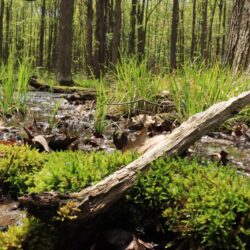
The newly protected property features a diverse mix of forests, wetlands, and fallow farmland, providing important wildlife habitat and opportunities for restoration. COL’s plans for the property over the next year include developing a management plan to guide the use of the property; providing public access, with a parking area and hiking trails to be constructed; and beginning habitat restoration and enhancement projects.
As plans are implemented, COL looks forward to welcoming the community to Founders Preserve through guided hikes, volunteer stewardship days, and educational programs. To stay informed about upcoming opportunities and project updates, follow Chikaming Open Lands on Facebook and Instagram, or sign up for our weekly e-newsletter.

COL's Founders: Steve Smith, Jean Smith, Jeanie Van Nice, and the late Peter Van Nice
Michigan’s Most Misunderstood Mammals
Posted on October 30, 2025
October is the time of year when bats make their annual appearance on front porches, in haunted house décor, and swooping through Halloween night skies. They’re often portrayed as creepy, dirty, or even dangerous: creatures of darkness linked to vampires and fear. But this Halloween season, it’s time to flip the script. Bats aren’t spooky villains. They’re vital allies in our ecosystems, quietly performing extraordinary work every single night.
During the week leading up to Halloween, the world celebrates Bat Week (October 24 - 31): an annual celebration of bats and the many roles they play in our ecosystems. Bat Week strives to show the critical importance of bats and raise greater awareness of conservation efforts worldwide. Far from frightening, bats are essential to healthy habitats. A single bat can eat thousands of insects in one night, including mosquitoes, crop pests, and disease-spreading bugs. In doing so, they naturally protect crops, reduce pesticide use, and help keep ecosystems in balance.
Yet despite their importance, bats face serious challenges — especially here in Michigan.
Michigan’s Bats: Small but Mighty
Michigan is home to nine species of bats, all insectivores that play critical roles in controlling pests and maintaining healthy forests and fields. Unfortunately, many are declining due to habitat loss and white-nose syndrome, a fungal disease that has devastated bat populations across North America.
This disease disrupts hibernation, causing bats to wake too early and burn through fat reserves they need to survive winter. Bats suffering from white-nose syndrome may appear disoriented, fly during the day, or cluster near cave entrances in cold weather.
If you spot a bat acting strangely, you can report it through the DNR’s Eyes in the Field app — an important tool for tracking outbreaks and protecting remaining populations.
How You Can Celebrate Bat Week and Help Michigan’s Bats
Simple choices in your yard and community can help bats thrive:
-
Leave the leaves to give insects (and the bats that eat them) a safe place to overwinter. If you don't want to leave the leaves covering your entire yard, consider leaving them in your flower beds and landscaping around your house.
-
Plant native species to attract healthy insect populations and reduce pesticide use.
🦇 Watch The Invisible Mammal — a new documentary celebrating bats: theinvisiblemammal.com
🏡 Build or buy a bat house to create safe roosting space: batweek.org/make-bat-house
📍 Report local bat roosts through the Michigan DNR Bat Roost Monitoring Program
Can you tell the difference between bat fact and fiction? Test your knowledge with the NPS Bat Mythbuster activity
A New Way to See Bats
This Bat Week, let’s move past the myths and see bats not as spooky creatures of the night, but hardworking neighbors keeping our skies clear of mosquitoes, our forests healthy, and our ecosystems in balance. Bats may never lose their Halloween mystique, but with a little understanding, we can make sure that fear gives way to fascination and that Michigan’s bats continue to thrive for generations to come.
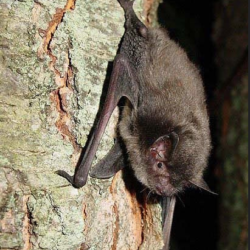
Pictured: the Indiana bat (Myotis sodalis) – endangered: This species of bats numbers less than 300,000 in the world and is endangered. The Indiana bat can be identified by its dull brown to gray fur with a pinkish tail membrane. They tend to roost in dead or hollow trees in the summer and form large winter colonies in limestone caves. Photo Credit: U.S. Fish and Wildlife Service